All Posts By

Blackoak

The LEVI Fund Explained – What It Means for EV

By Industry News

Infrastructure Contractors

If you work in EV infrastructure, you’ve probably heard the LEVI fund mentioned. But what exactly is it, who does it affect, and more importantly what does it mean for the civils and groundworks side of EV charging delivery?

This article breaks it down in plain terms.

What is the LEVI Fund?

The Local Electric Vehicle Infrastructure fund LEVI is a UK government programme designed to help local authorities in England plan and deliver public EV charging infrastructure. It is administered through the Office for Zero Emission Vehicles (OZEV) and supported by the Energy Saving Trust, Cenex and PA Consulting.

Since its launch in 2022, £381 million in LEVI funding has been issued to help local authorities accelerate public EV infrastructure development, leverage private investment, and deliver over 100,000 new public charge points.

The fund has two elements. Capital funding covers the cost of installing charge points. Capability funding allows local authorities to recruit and train specialist EV infrastructure officers over 350 have been recruited across England, with further recruitment underway.

Where does the LEVI Fund stand in 2026?

The programme is now well into delivery. By March 2026, most LEVI local authorities are expected to have completed their procurement for charge point operators. That means the planning and contracting phase is largely done the focus now shifts to actual installation and delivery on the ground.

A new Electric Vehicle Infrastructure Support Service is expected to launch by April 2026, expanding support beyond local authorities to include a wider range of public sector organisations involved in delivering England’s EV charging network.

In short the money has been allocated, the operators have been selected, and the civils work is beginning in earnest.

What does this mean for EV civils contractors?

This is where it gets relevant for companies like Blackoak.

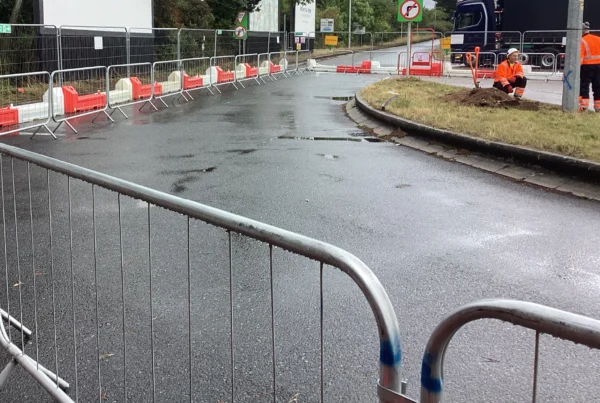
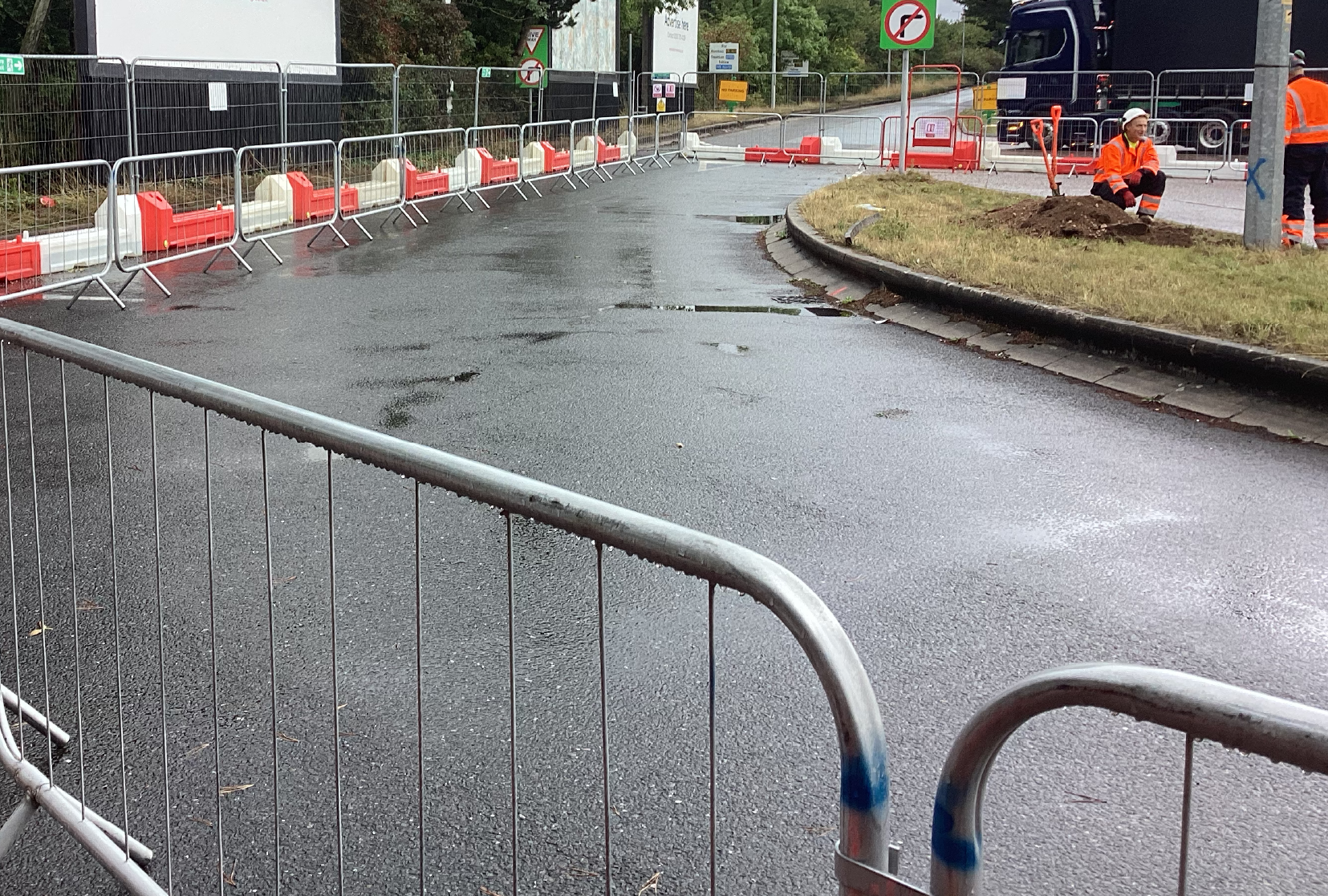
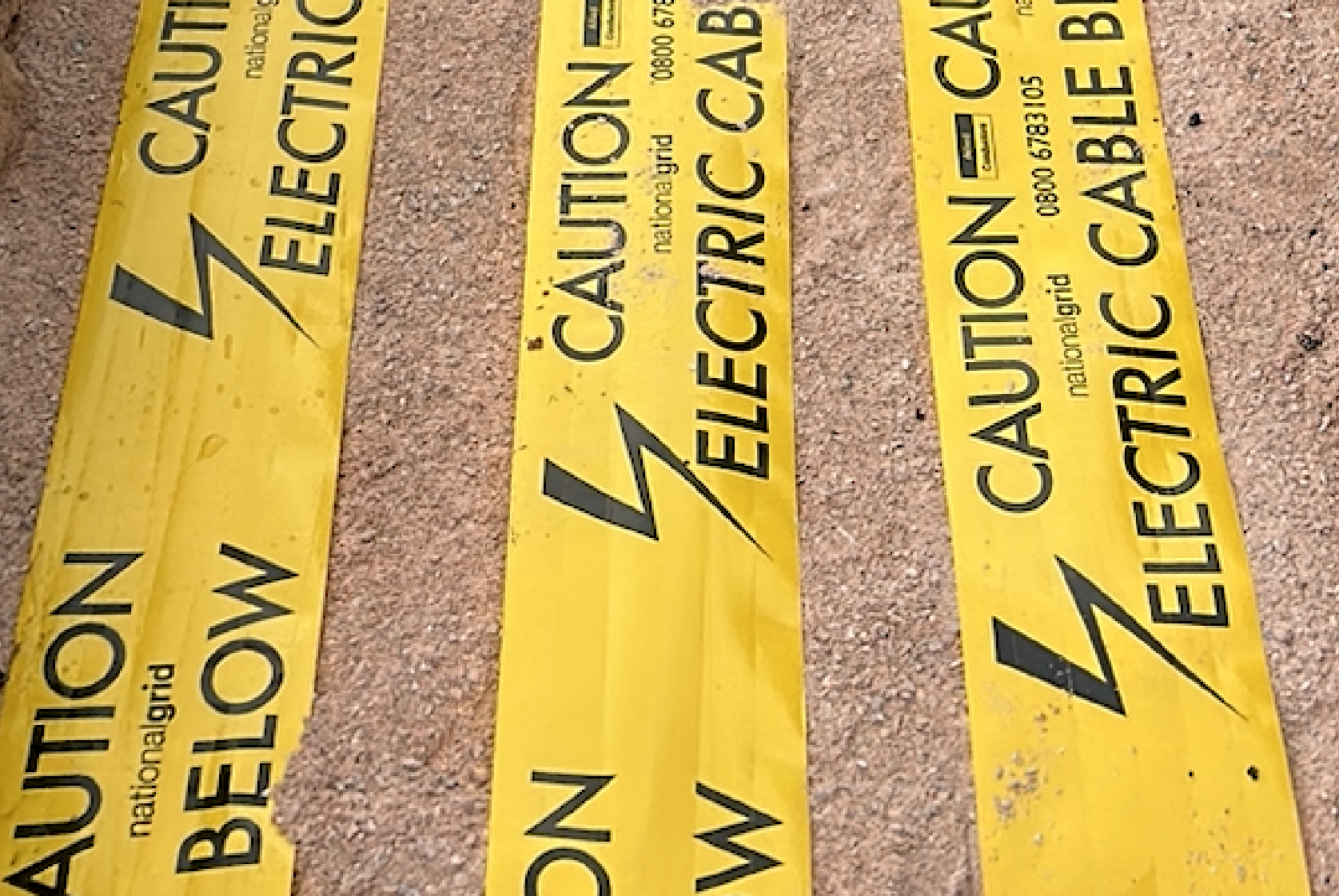
LEVI funded projects require charge points to be installed and charge points require groundworks. Excavation, drainage, cable ducting, concrete bases, surfacing and reinstatement. All that civils scope must happen before a single charger goes live.

As local authorities move from procurement into delivery through 2026 and beyond, the demand for qualified EV civils contractors will increase significantly. These are not small projects a single local authority deployment could involve dozens of sites across a county, each requiring a full civils package.

For developers and charge point operators working on LEVI funded schemes, choosing the right civils contractor is critical. Delays in groundworks hold up everything downstream the electrical works, the charger installation, the commissioning. Getting the civils scope right from day one is what keeps a programme on track.

What should contractors and developers know?

A few practical points worth bearing in mind as LEVI delivery accelerates:

Volume is increasing. With most local authorities now through procurement, the pipeline of live projects is growing. Civils contractors with relevant experience and capacity will be in demand.

Site types vary. LEVI is primarily focused on on-street residential charging car parks, public spaces, and locations serving residents without off-street parking. The civils requirements on these sites differ from depot or commercial installations and require contractors who understand the specific constraints.

Speed matters. Local authorities are working to delivery timescales tied to their LEVI funding agreements. Programmes that slip create problems at a political and contractual level. Reliable civils delivery on time, on spec is not optional on these projects.

Coordination is key. LEVI projects typically involve multiple parties the local authority, a charge point operator, an electrical contractor, and a civils contractor. Clear communication and a contractor who can work efficiently alongside other trades makes a significant difference to programme delivery.

Planning EV civils works on a LEVI funded scheme?

Blackoak Contracts delivers specialist EV civils groundworks, drainage, ducting and surfacing  for public, commercial and fleet EV charging projects across the UK. We work directly with charge point operators, developers and principal contractors to deliver the civils scope on time and to spec.

Tell us about your project and we’ll come back to you within one working day.

The Future of Electric Car Infrastructure in 2026

By Industry News

As we step into 2026, the landscape of electric vehicle (EV) infrastructure in the UK is rapidly evolving, driven by technological advancements, government policies, and a growing consumer demand for sustainable transportation. This blog explores the current state of electric car infrastructure, the challenges it faces, and the exciting developments on the horizon.

The Current State of Electric Car Infrastructure

Growth in Charging Stations

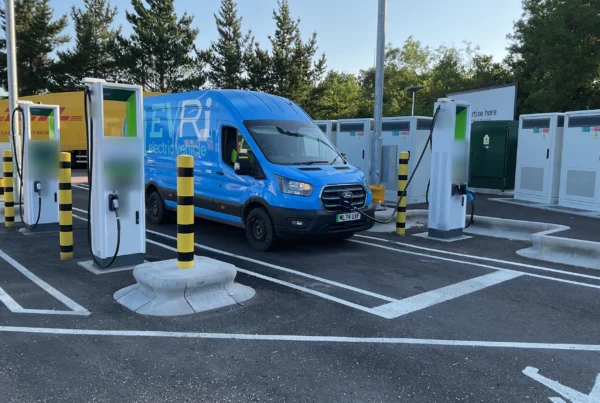
Over the past few years, the number of public charging stations in the UK has surged. As of 2026, there are over 45,000 charging points across the country, with a growing network of fast chargers making long-distance travel feasible for EV owners. This expansion is crucial as it alleviates range anxiety—the fear that a vehicle won’t have enough charge to reach its destination.

Types of Charging Stations

The infrastructure comprises several types of public charging stations:

  • Level 2 Chargers: Found in workplaces and public areas, these chargers provide a faster charging option, replenishing a vehicle’s battery in several hours.
  • DC Fast Chargers: These high-powered charging stations can charge an EV to 80% in about 30 minutes. They are strategically located along major highways to support long-distance travel.

Government Initiatives

In response to the growing demand for EVs, the UK government is investing heavily in infrastructure development. Initiatives such as the Road to Zero Strategy aim to create a more robust and accessible charging network. The government has pledged to provide funding to support the installation of charging points and promote the use of electric vehicles, with ambitious targets for phasing out petrol and diesel cars.

Challenges Facing Electric Car Infrastructure

Accessibility and Equity

One significant challenge in expanding electric car infrastructure is ensuring equitable access. Urban areas often have a higher density of charging stations compared to rural regions, which can leave some communities underserved. Addressing this disparity is crucial for promoting widespread EV adoption.

Grid Capacity

As EV adoption increases, so does the demand for electricity. Upgrading the electrical grid to handle this increased load is essential to avoid outages and ensure reliable charging. Smart grid technology, which allows for better energy management and distribution, will play a vital role in this process.

Standardization

The lack of standardization in charging connectors and payment systems can be confusing for consumers. As the market matures, the push for universal charging standards will help streamline the user experience, making it easier for EV owners to charge their vehicles anywhere.

Innovations on the Horizon

Wireless Charging

One of the most exciting developments in EV infrastructure is wireless charging technology. This innovation allows vehicles to charge without being physically connected to a charging station, using electromagnetic fields. As this technology matures, it could lead to charging roads, where vehicles charge as they drive, reducing the need for dedicated charging stops.

Solar-Powered Charging Stations

The integration of solar panels into charging stations is gaining traction. Solar-powered chargers can generate renewable energy, reducing reliance on the grid and enhancing sustainability. This is particularly beneficial in sunny regions, where solar energy can significantly offset charging costs.

Battery Swap Stations

Battery swapping is an alternative approach to traditional charging. Instead of waiting for a battery to charge, drivers can exchange a depleted battery for a fully charged one at dedicated swap stations. This model has been successfully implemented in some markets and could become a mainstream option in the coming years.

The Road Ahead

Consumer Education and Awareness

For electric vehicles to become the dominant mode of transportation, consumer education is essential. As people become more aware of the benefits of EVs and the expanding infrastructure, adoption rates are likely to increase. Automakers and governments must work together to promote the advantages of electric cars, such as lower operating costs and reduced emissions.

Collaboration Among Stakeholders

The future of electric car infrastructure will depend on collaboration among various stakeholders, including government agencies, utility companies, automakers, and charging network providers. By working together, these entities can create a seamless and efficient charging experience for consumers.

The Role of Technology

Advancements in technology will continue to shape the future of electric car infrastructure. From improved battery technologies that extend range to software solutions that optimize charging times based on grid demand, the integration of tech will be crucial in overcoming current challenges.

Conclusion

As we look towards 2026, the electric car infrastructure in the UK is poised for significant transformation. With increased investment, technological innovations, and a focus on equity, the future of electric vehicles looks bright. By addressing current challenges and fostering collaboration among stakeholders, we can build a sustainable and accessible charging network that will support the widespread adoption of electric vehicles, contributing to a cleaner, greener planet.