On any asphalt surfacing project, the difference between a repair that lasts and one that fails early usually comes down to the details — how the joints are sealed and how the surface is compacted. Two pieces of kit sit at the heart of getting those details right: bitumen jointing tape and the compactor plate. Here’s how we use both, and why they matter for durable tarmac surfacing and reinstatement across the UK.
What Is Bitumen Tape and What Is It Used For?
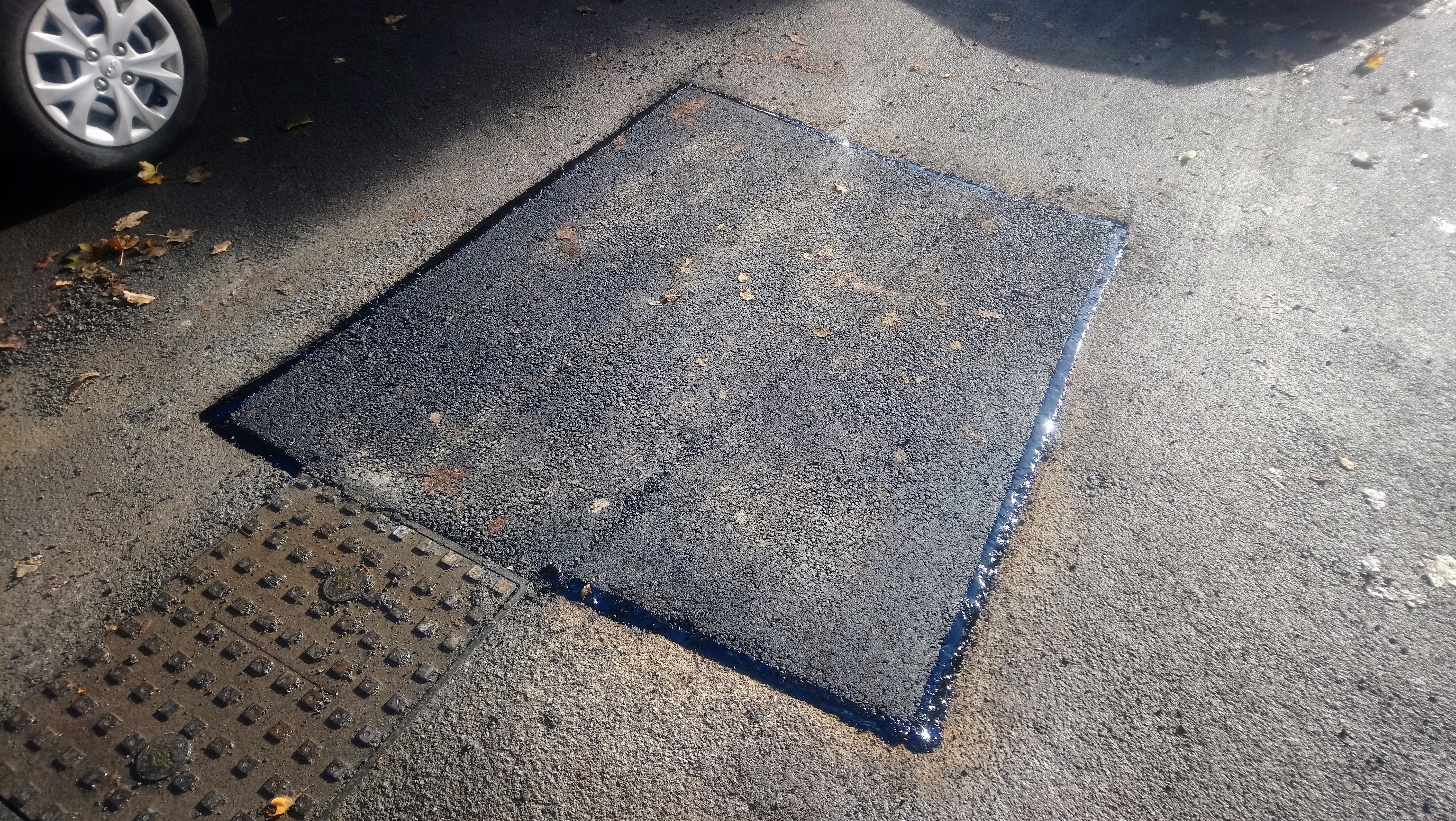
Bitumen tape also known as bitumen jointing tape or over band tape is used to seal the edges where new tarmac meets old, existing tarmac. It’s rolled out in strips along the joint and heated with a blow torch, causing the bitumen to melt and fuse over the joint, creating a continuous waterproof seal.
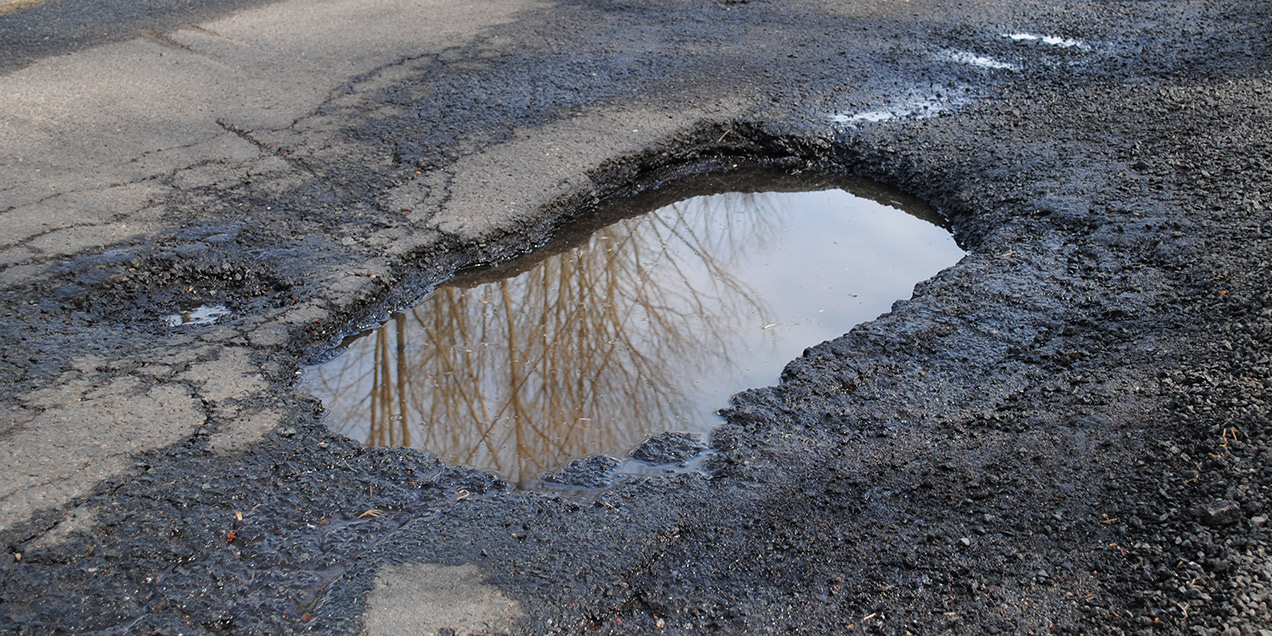
The joint between new and old asphalt is the weakest point of any tarmac repair or reinstatement. If it isn’t sealed properly, water finds its way in. Over time particularly through UK winters that water freezes, expands and breaks the joint apart, leading to cracking, edge deterioration and eventually the very potholes the repair was meant to fix.
Why Bitumen Tape Beats Painted Joints
The traditional alternative is painting the joints with hot bitumen using a brush or spray. It works, but it has limitations: the finish can be uneven, coverage is harder to control, and the joint may not always be sealed sufficiently to keep water out.
Bitumen jointing tape solves both problems. Because it’s applied in a uniform strip and melted directly onto the joint, the seal is neater, more accurate and more consistent along the full length of the joint. The result is a longer-lasting, higher-durability finish which is exactly what you want on pothole repairs, patch repairs and tarmac reinstatement, where new surfacing has to tie seamlessly into the existing road or car park.
Why We Use a Compactor Plate (Wacker Plate)
Compaction is what gives an asphalt surface its strength. Without proper compaction, air voids remain in the material, and a surface with too many voids will deform, crack and let in water far sooner than it should.
Compactor plates often called wacker plates or vibrating plates are mainly used to compact sub-base materials such as hardcore in areas that larger machines can’t access. But their role doesn’t end at the sub-base. The Blackoak surfacing team also uses compactor plates on the asphalt itself.
Where the Compactor Plate Earns Its Keep
On most surfacing jobs, the bulk of the compaction is done by a roller. The compactor plate comes in after the roller, tackling the areas a roller physically can’t reach tight up against walls, around manholes and ironworks, and along edges and confined corners. Working these areas with a plate ensures the whole surface is compacted evenly, leaving a neat, tidy and consistent finish with no weak spots.
One practical detail from site: when using a compactor plate on fresh asphalt, water is applied to the plate as it works. This stops the hot asphalt sticking to the underside of the plate and dragging the surface a small step that makes a real difference to the final finish.
Small Details, Longer-Lasting Surfaces
Neither of these techniques is glamorous, but both are the mark of a surfacing contractor that cares about how a job performs years down the line, not just how it looks on handover day. Properly sealed joints keep water out. Thorough compaction right up to the edges keeps the surface strong. Together they mean fewer failures, fewer call-backs and a better result for the client.
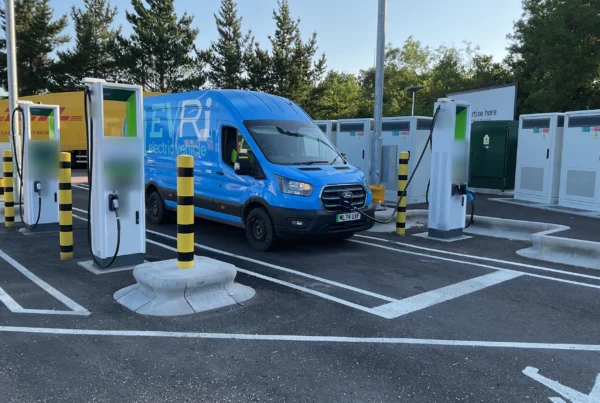
Blackoak Contracts delivers asphalt surfacing, tarmac repairs and reinstatement across the UK, from car parks and access roads to the surfacing and reinstatement works that complete EV charging site builds. If you’ve got a surfacing project coming up, get in touch with the team on 01282 701205.’