The HSG47
(Avoiding danger from underground services)
The HSG47 refers to Article 47 of the Health and Safety Guidance Act. It outlines the dangers, which can arise from working near underground services and gives advice on how to reduce the risk.
Where the HSG47 guidance applies:
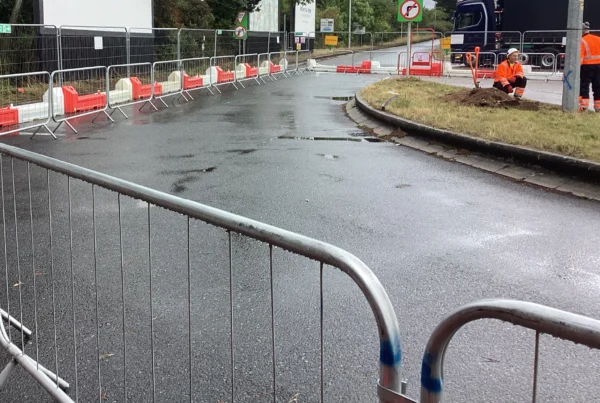
• This guidance applies to situations where underground services may be found and where work involves penetrating the ground at or below surface level.
• For road resurfacing, where ground penetration is contained within the wearing and base courses, the services encountered are likely to be limited to traffic sensor cables. Care will still need to be taken, in particular, to avoid damage to surface boxes for valves, pressure points, test points etc.
• All other work will be covered by this guidance including work in footways and kerbing, regardless of depth, as underground services may be found near the surface.
The dangers of underground services
Damage to underground services can cause fatal or severe injury. The main dangers and their effects under HSG47 are:
• Electricity cables (Fire risk, explosion, electrocution, unrepaired live wires)
• Gas pipes (Fire risk, explosion, leakage)
• Water/sewage pipes (Pollution of water, flooding, mixing with gas pipes)
• Telecommunications (Disruption of services, expensive repairs)
How to avoid the dangers of underground services when conducting work
A safe system of work has four basic elements:
1. Planning the work;
2. Plans for the work;
3. Cable and pipe locating devices; and
4. Safe digging practices.
Planning
This is where the designs for the planned work is conducted, where work is planned in advance to avoid certain services and where any required permissions and permits can be identified and acquired. This is when The CDM (Construction Design Management) is conducted so that management of the dangers can be assessed and built into the construction plans.
Plans
This is where plans for the design process are produced. These plans show the exact details of the required project, showing the location of work and location of underground services and how measures will be taken to work on these services and the health and safety measures taken to prevent injury.
Cable and pipe locating devices
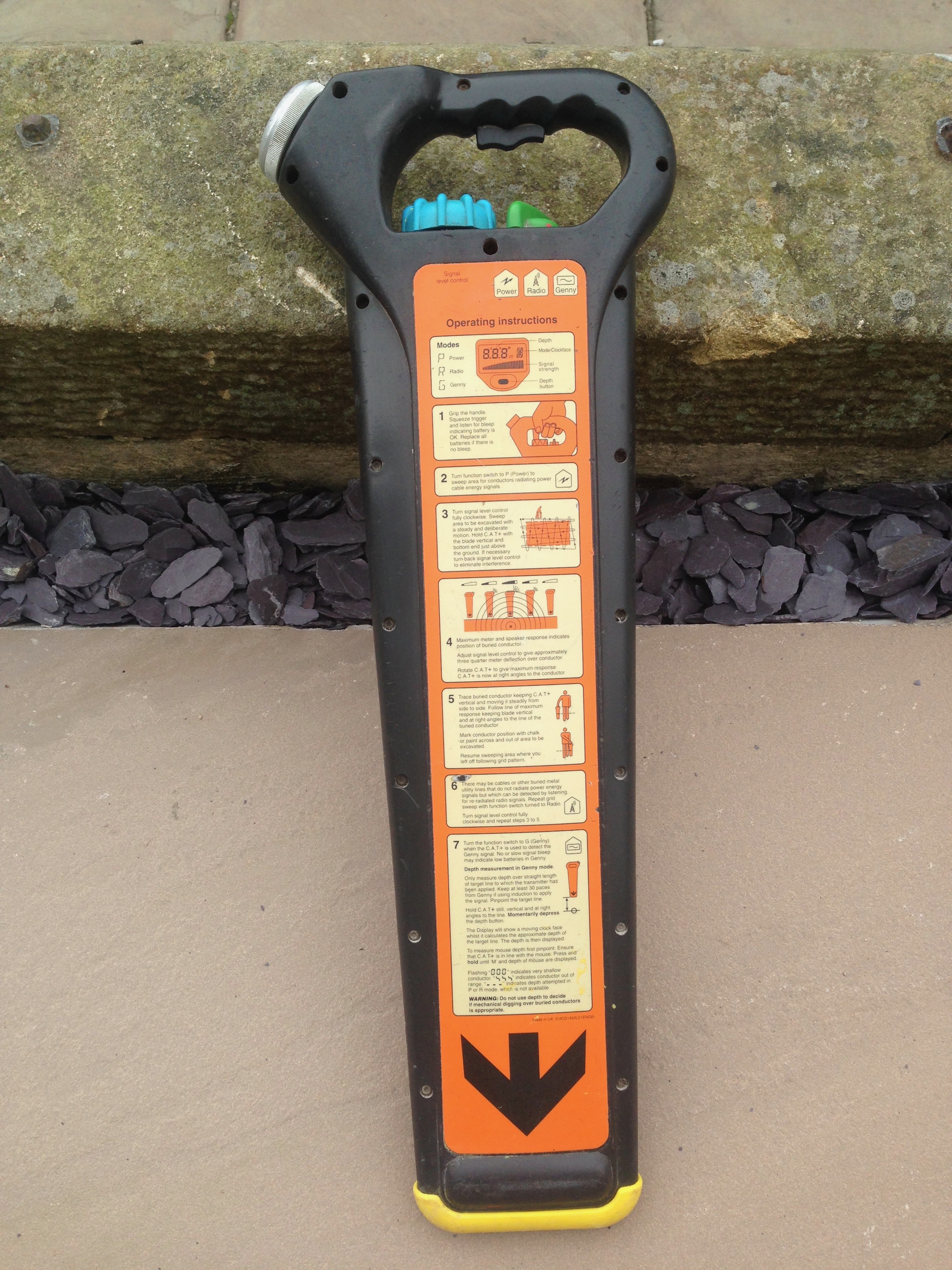
This process involves using detecting instruments to detect pipelines or cables to exact measurements to ensure the location of the pipeline/cable matches with the plans of the project to ensure construction/digging practices can be undertaken safely and accurately.
Safe digging
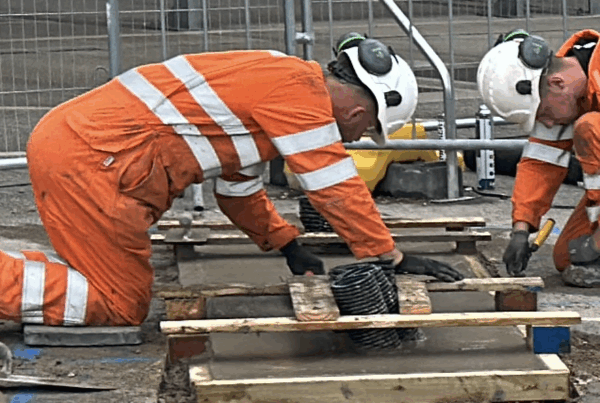
This is where the digging/construction process is carried out using safe and protective means of construction. This involves indicating and marking where pipelines/cables are located in the ground; avoiding damage to services, prohibit the use of power tools near services and the proper reburial of all exposed services after the project.
Recent Posts